
Summer of Solutions
Shaping the future together
In Summer of Solutions, interdisciplinary teams of students work for several weeks on real challenges faced by companies, local authorities and non-profit organisations.
They are supported by mentors from the fields of practice and science. This results in innovative approaches and prototypes with real impact. The topics are diverse, ranging from urban development and mobility to energy and resource management.
Why is it worth participating?
students
- Participation in practical transfer projects in the field of ecological and social sustainability as part of regular studies
- Learning by doing: intensive technical and methodological support in interdisciplinary and digital project work
- Contribution to a sustainable future in cities, society and regional economies
Companies & Local Authorities
- Securing skilled workers through collaboration with students
- Access to state-of-the-art research and expert knowledge
- Development of viable solutions and innovative prototypes within 4 months
- Visibility through media-effective public relations work
- Access to a strong innovation network
universities
- Establishment of a cross-disciplinary ESD lecture format
- Expansion of the curriculum to include attractive practical projects in the field of ecological and social sustainability
- Conducting practical research
- Acquiring practice partners and establishing an innovation network with government agencies, non-profit organisations and commercial enterprises
Feedback
Check out our blog posts on Summer of Solutions:
Project examples
- Analysis of vehicle downtime in residential areas and incentive systems for parking away from home
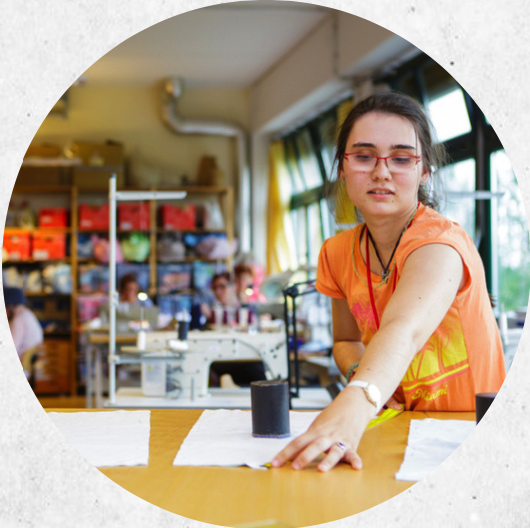
- Life cycle analysis of textiles in a hotel laundry
- Communication concept for citizens regarding public transport infrastructure measures
- Reduction in the use of plastic in product packaging
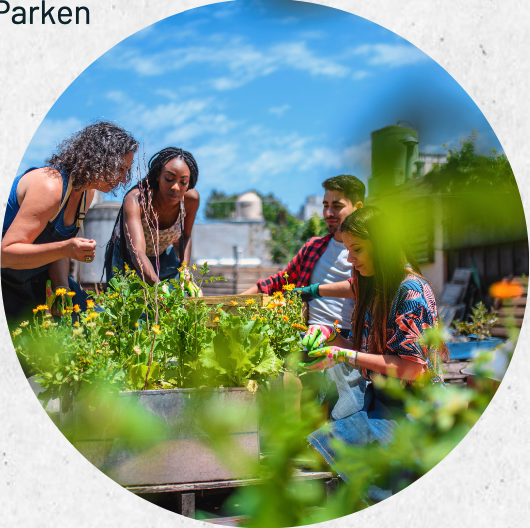
- Designing sustainable green spaces for housing association properties
Brandenburg Ministry of the Environment
Employee motivation as a key factor for successful EMAS implementation
Paritäter
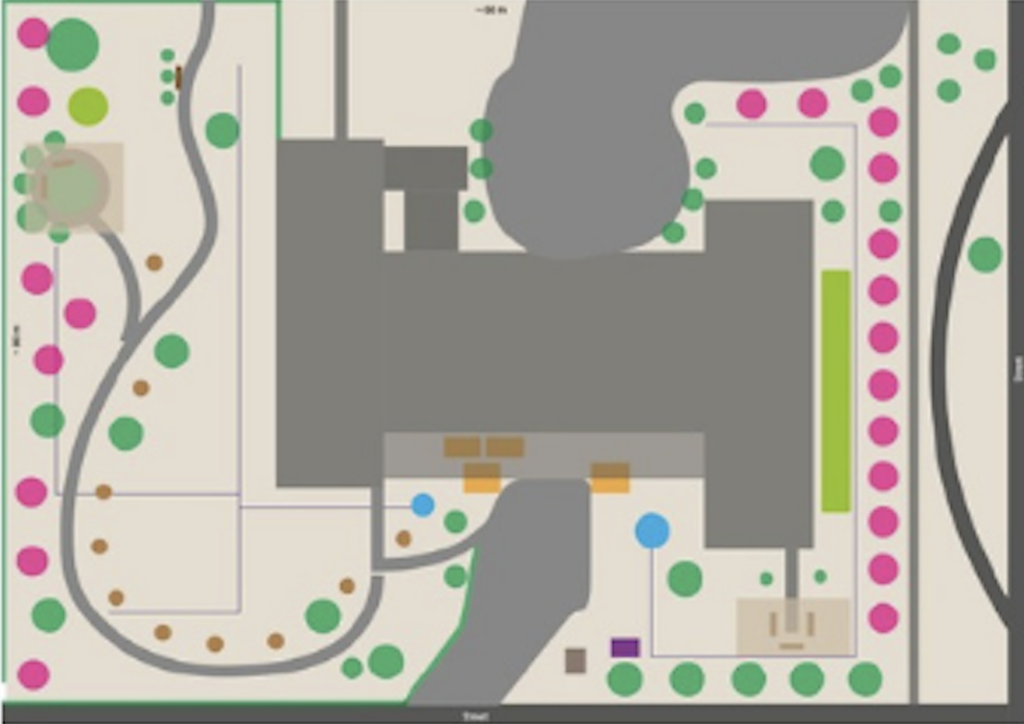
Redesign of a park as an inclusive meeting place and ecologically sustainable green space
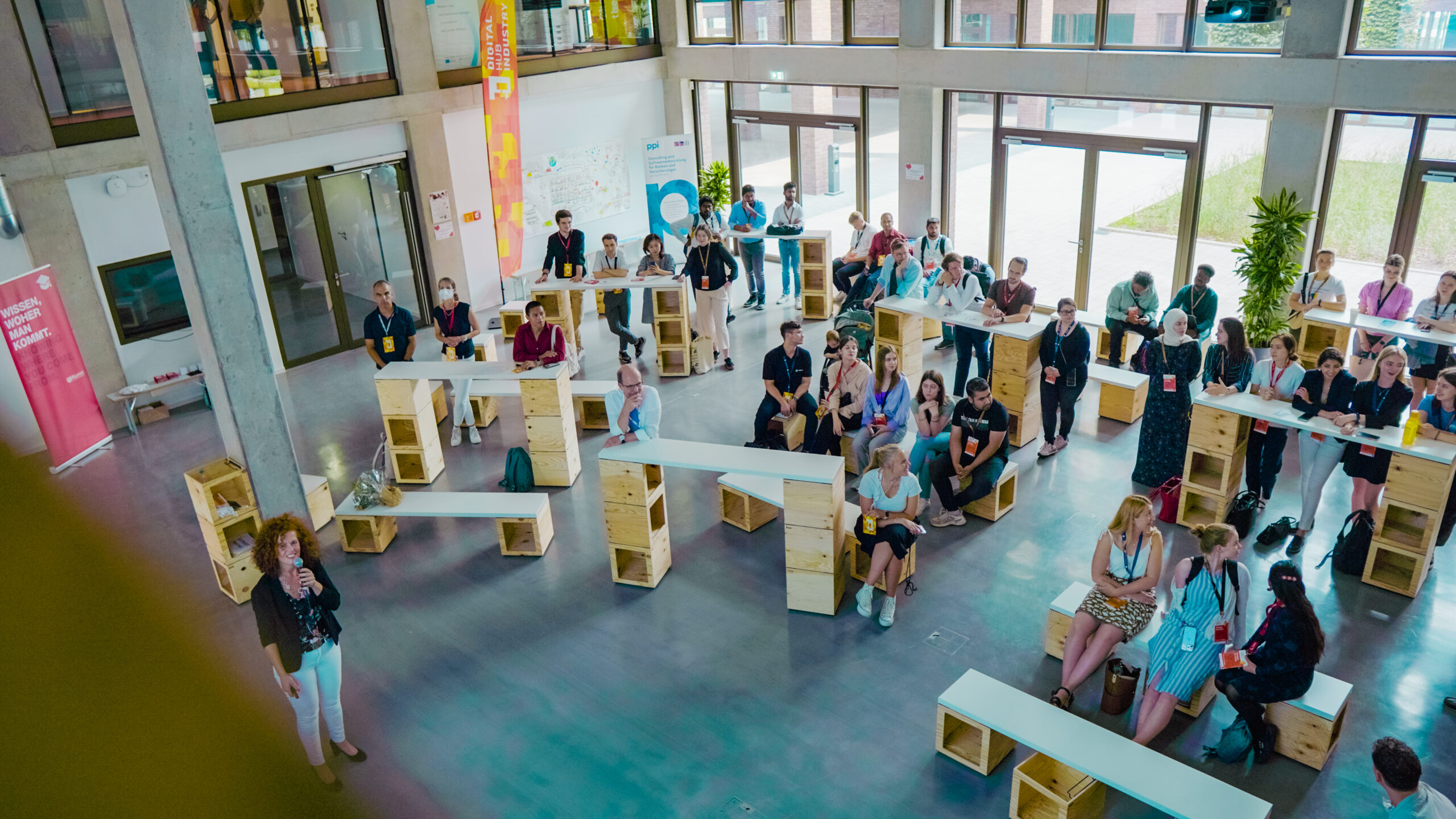
Summer of Solutions 2022 at the University of Bremen
Häufig gestellte Fragen (FAQ)
What is the aim of the project?
The aim of this student project is to develop innovative solutions for a sustainable future and to bring them to life through hands-on experience.
How will the transfer project be carried out?
Each student group works on a specific research question. The group receives close support from experts and coaches, both in terms of subject matter and organisation. The organisation that has proposed the research topic is available to answer any questions the students may have.
What issues are being addressed?
The projects address real-world challenges in the field of environmental and social sustainability, as identified by businesses, local authorities and non-profit organisations. The topics range from mobility concepts and public engagement to the circular economy, life-cycle assessments and energy management.
How does collaboration work within the project?
Support for students and organisations is provided by a project team from The Future Living and subject matter experts. We offer a range of communication channels, including meetings via Microsoft Teams, face-to-face meetings (at the university or within the organisation) and email.
Why should my company take part in Summer of Solutions?
As a company, you will benefit from collaborating with students, gain access to the latest research findings, develop viable solutions and prototypes within four months, gain media exposure and join a strong innovation network.
Why should I, as a student, take part in Summer of Solutions?
As a student, you can help tackle a real-world problem of your choice and, in doing so, play a part in shaping a more sustainable society in the region. You will also learn the methodologies of digital project management and the fundamentals of sustainability consultancy.
How many students will be in each team?
Each team comprises around five members from different degree programmes.